DUE: Wednesday, November 20th
You have done a SWOT analysis of a store. You've identified the competion (threats).
Now come up with your own store that is going to be a competitor of the store that you used for your SWOT.
Come up with a name for your store, and in one paragraph talk about:
What you will sell
What your price point will be
Where your store is located
What the atmosphere in your store is like
How you will compete with the store you used for the SWOT. What will you do better? What will you do differently? What will set you apart?

Wednesday, November 13, 2013

Monday, November 4, 2013
Wednesday, November 6th
DUE TODAY:
4 piece collection board to go with Mood BoardQuiz on Retail Strategy
Have chosen a retail store to do your SWOT analysis on
READ: The Supply Chain for Next Monday
Saturday, November 2, 2013
The Supply Chain
QUIZLET!!
THE CHANNEL OF DISTRIBUTION: The Supply Chain
the route that products take from the original source to the end user
The Soft Goods Chain:
The channel of distribution for apparel and home decorating products.
TEXTILE SEGMENT:
fiber production>yarn production>fabric manufacturing>fabric finishing
APPAREL SEGMENT:
apparel designing>apparel manufacturing>apparel sales
RETAIL SEGMENT:
quantity buying>single item selling
The Four Groups Approach:
PRIMARY GROUP: (raw materials)
textiles, leather, furs
SECONDARY GROUP: (manufacturing)
garments, accessories, other products
RETAIL GROUP: (final distribution)
stores, catalog, internet, TV
AUXILIARY GROUP: (fashion related)
consultants, models, marketers, publications, trade associations

VERTICAL INTEGRATION:
performing multiple steps on the channel of distribution
Supply Chain Management (SCM)
The Textile Industry
• pre-industrial• industrial
• post industrial
In post industrial countries manufacturing shifts from local to global
Fast Fashion or Quick Response (QR) Models
The 4 r's - reliability, resilience, responsiveness and relationships - are essential for managing the supply chain.
An effective supply chain strategy should be market driven and customer focused with strong links between the buying and product development processes.
Key Points to review -
• cost
• speed to market
• reliability
• flexability
• responsiveness
(JIT) Just in Time - pioneered by the Japanese - it is the delivery of finished good in time to meet market needs with no excess
Global Sourcing
Drivers for Change
1. reduced labor costs2. advances in technology
3. elimination of quotas
Cheaper imports open new markets and create high demand and new opportunities.
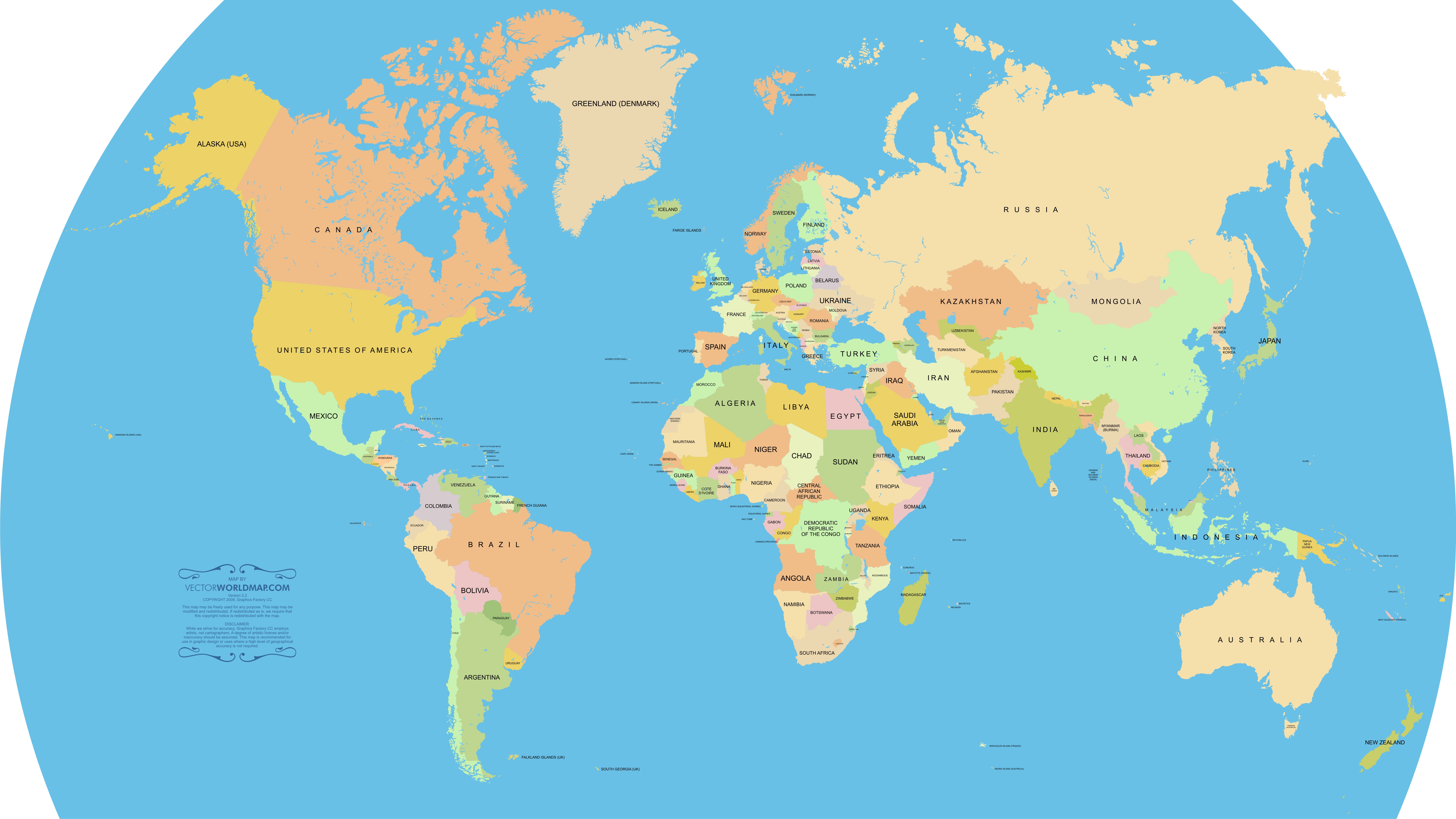
CHINA: Originally famous for silk, cashmere, fine tailoring and hand embellished goods
The ending of MFA (quotas) has opened this market and provides access to enormous skilled labor force. Often called "The factory of the world."
INDIA: The second fastest growing economy. Large scale textile production, esp. cotton and silk. Large labor force that speaks English
SRI LANKA: Now a world class manufacturer of fashion clothing.
TURKEY: Manufactures many European brands. esp. swimwear and nightwear - a fast fashion hub
MEXICO AND CENTRAL AMERICA: Manufacturing for American Brands, lower duties and import rates
ITALY: World class Textile and Leather
UK: Small, specialized. Knitwear
USA: Automated and labor efficient - based in 3 states, Georgi, California and North Carolina
Ethics in the supply Chain
Demand for Ethical goods
Ethical fashion strives to make the world a better place; it is:
Social Responsibility
Ethical fashion means providing workers with fair hours, wages, and rights, as well as a healthy work environment. Further it refers to practices that take into consideration all associated with apparel supply chains including management, designers, production workers, sales and even we the consumers. This includes, but is not limited to:• Fair and living wages for workers
• Safe, clean working conditions
• Worker’s rights (For example, those outlined in the ILO conventions)
• Workers’ freedom of association and voice in the workplace
• Promote traditional skills
• Promote rural development
• Locally made
Environmental Responsibility
Ethical fashion ensures that the process of getting the product from raw materials to the consumer has as little negative impact on the environment as possible. This can be done in a number of ways, depending on the impacts identified and the design strategies applied:• Use of environmentally responsible materials (organic fibers avoid chemical use in growing fiber, polyester fibers can be made of recycled materials and require less energy in washing and drying, for example)
• Minimizing negative environmental impact by employing sustainable best practices (shipping, office waste, etc.)
• Reusing, reassembling, and maintaining clothes in use for longer (vintage/used clothing stores, repair services, taking apart old clothes and sewing new finished products with them)
• Designing for disassembly and repurposing clothes so they have a second life (disassembling clothes and using the material to create new finished products)
• Employing energy and water efficient processes for dyes and finishes and using non-toxic substances.
• Does not use pesticides or harmful chemicals
• Use innovative textiles that minimize harm on the environment and follow the precautionary principle with new technologies (produced from recycled or newly engineered materials)
• Minimize load on landfills by using Biodegradable products (e.g., ones that could easily be broken down by the environment at the end of their life cycle. Embodies cradle to cradle concept that materials should protect the ecosystem and be free of waste.)
• Minimal waste in the production process
Innovative new businesses that are not based on the make, use waste principle, but are based on principles of cycles
• Animal products are ethically sourced and vegetable tanned
Has an Impact
Ethical fashion means working to impact the greatest number of people in as positive a way as possible. You as an individual can make a huge difference, small companies can make a big difference, and even the world’s largest companies can be motivated to shift toward more ethical practices.Conventional Companies with a Social Mission
Using a percentage of sales and re-directing it to non-profit programs and projects around the world. While not always socially or environmentally responsible, these programs bring new values into commerce and make the world a better place.Why “Ethical Fashion”…?
“Ethical Fashion” encompasses “Sustainable Fashion”, “Eco Fashion”, “Fair Trade Apparel”, animal rights, and cultural concerns. It goes a step beyond to include all fashion that is socially and environmentally conscious.Sunday, October 27, 2013
Retail Strategy
QUIZLET!!!
Retail Positioning:
relates to where a retailer situates itself in the consumer market - how it satisfies its customers and differentiates itself from competitors.• identify the competition
• understand strengths and weaknesses
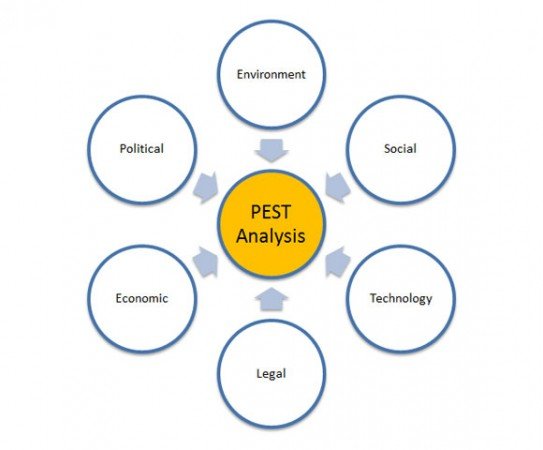
• understand macro-factors
Macro factors are wider external forces - political upheaval, recession, etc.
SWOT analysis - strengths, weaknesses, threats and opportunities

Porter's 5 forces

PESTEL Diagram
Implementing a strategy
• Every retail strategy must engage with the company or the brand
This is done with the MARKETING MIX - blending the variables of Product, Price, Place and Promotion. (+ 2 - Position and People!)

ADDITIONAL P's - Position and People
Targeting a specific market - Position
merchandising policies - guidelines to keep inventory on trackoperational policies - make customer feel good about shopping with a retailer
Understanding buying motives
rational behavior<--------------------->emotional behaviorProduct Motives
Patronage Motives
- both are based on a combination of rational and emotional buying behavior
Differentiating from Competitors


DIFFERENTIATORS - Those factors that distinguish a business from its' competitors.
Merchandise - unique merchandise, targeted productsValue - best merchandise for least money
Convenience - extended hours, one stop shopping, accessible location
Services - personal attention, lay away, bridal registries
Store Atmosphere - pleasant, clean, cool, fun, upscale
Others - meeting changing consumer needs
Presenting an Image

A retailer's image is how the public perceives the company. It's like a personality, and can be very influential in attracting and satisfying customers.
Merchandise fashion level - (high end offer items earlier in their fashion cycle, discounters later)
Services
Physical environment
Employees - appearance and attitude
Promotion should put forth the image.
Sometimes it is necessary to change the image.
Targeted policies build the correct image.
Product Strategy

Merchandise Selection:
Assortment breadth - the number of different catagories of merchandiseAssortment depth - the quantity of items offered.
• broad and shallow
• narrow and deep
• moderate breadth and depth
Service Selection
PRICING - price strategy
A retailer's pricing policy must be in tune with their image.The right price brings about the sale, generates a profit, satisfies customer expectations and meets competitive situations.
Price/Quality Relationship
Quality and price usually, but not always, correlate.•Prestige pricing - setting a high price for consumes that want quality or the status of owning expensive and exclusive merchandise
• Price promoting - advertising price reductions to bring in shoppers. Can be "loss leaders," but increase traffic
Specific Pricing Approaches
Most retailers seek high markups on low volume, or low markups on high volumes• Value pricing - pricing below price suggested by vendors
• Everyday Low Pricing (EDLP) - few promotions, low price guarantee. Security over excitement as the draw for the consumer
Place Strategy
Site Location
Should reach target market, be convenient and accessibleStore Clusters
• Central Business Districts - traditional, town-center type of areas. Appeal to city consumers, workers on break, tourists and business visitors.• Neighborhood Shopping Centers - 5-15 businesses in a building cluster. Strip malls are a variety.
• Community Shopping Centers - 5-50 stores, usually anchored by a primary store (department store or supermarket) Designed for convenience.
• Regional Shopping Centers - Malls
• Super-Regional Centers - really big malls, that attract customers from up to 25 miles away
Market Coverage in Site Selection
• Intensive• Selective
• Exclusive
Facilities Design
The visual identity of a store should support its' image.• Exterior
• Interior
Promotion Strategy
People
The role of the buyer
Buyers are expected to be a step ahead of the market - constantly seeking out "newness." While there are elements of creativity, it is important to think commercially.The role of the merchandiser
Brings the "science to match the art." Analytical and numbers oriented. They work with buyers, designers and product developers to implement the correct marketing mix.HOMEWORK: Bring in 4 designs based on your mood boards by Wednesday. They need to be finished and colored, but not mounted on boards.
READ: Chapter 3 - Fashion Merchandising
Monday, October 21, 2013
Product Development - Monday, October 21
Product Development
• Retailers will either elect to buy branded products, develop their own private label or carry a mixture of the two.• Designers must develop the right product at the right price
Private Label Product Development
• grew from the need for retailers to buy exactly what is required for their customer and market.• increasingly collaborating with designers to create private label brands, ie, Dana Buchman (Kohl's), Sonia Rykiel (H&M), Alexander McQueen (Target)


Developing Initial Concepts
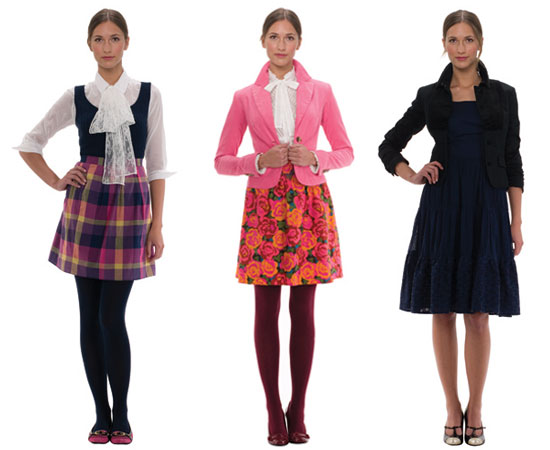
• Designers begin by creating black and white showing silhouettes of garments in the range• Mood boards are uses to provide visual indication of color, fabric, and silhouettes for each look
• Boards and initial sketches are edited and adapted many times

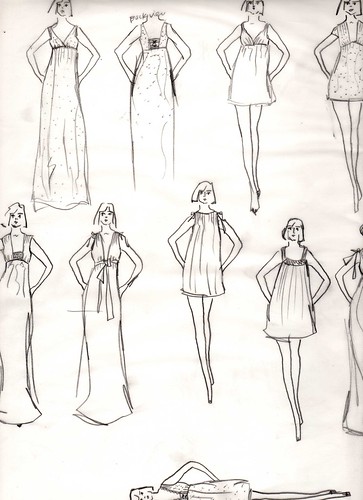

Developing the Range Plan
• Rough ideas are turned into "Stories" or mini-collection• They are grouped together by color and inspiration and given names
• Within each seasonal range there can be as many as 12 stories


The Product Mix
• The product mix is loosely base on the Marketing Mix - the four (or seven P's)
The Range Plan
• The plan contains complete details of all styles, lead times for each style and how many phases are to exist.• Timing includes the introduction of new color statements and products
• Created by teams consisting of designers, buyers and merchandisers
• Determine the balance within the range
BASICS OR CORE ITEMS
FASHION ITEMS
Sampling

Performance Testing
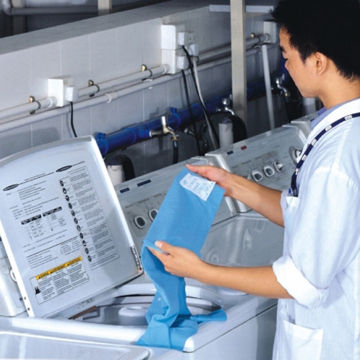
• Specialist testing
READ: CHAPTER TWO - PRODUCT DEVELOPMENT
HOMEWORK: Bring in 4-6 ROUGH sketches for your line
http://www.youtube.com/watch?v=735uH-zCgyw


Saturday, October 5, 2013
Wednesday, October 7th - Midterm review
Due Today:
Please bring in the images that you are collecting for your mood board!
Midterm Review -
The Designer:
• Principles of Design• Silhouettes
The Stylist:
• Who are the stylists? What kinds of jobs do they have?• Research one famous fashion photographer for essay question
The Seller
• Colors in Fashion• Kinds of retailers
The Critic
• magazine terms• What does the critic do? Why are they important to the industry?
Context and Concept
• Terms - haute couture, pret a porter• Worth and Dior
• Fast Fashion
• Designer Typography
QUIZLET TERMS
DUE MONDAY October 13 - Finished Mood boards
MIDTERM EXAM - Wednesday, October 15
Monday October 5, How to make a Blog, being an online professional
If you have a laptop that you use, please bring it today. We will go over how to create your online portfolio!
Professional Social Networking:
Linked In - http://www.linkedin.com/Professional Behavior online
http://money.howstuffworks.com/10-tips-for-maintaining-professional-image-online.htm
Step by Step Instructions on Creating a Blog
Create a gmail account
https://accounts.google.com/SignUp?service=mail
• Go to www.blogger.com

• Click on the red "SIGN UP" button

• Fill out your information.
When you pick a username it will become a new gmail address for you. Choose something that relates to, or is, your name.
• You can add a profile picture or just click "Next step"

• Click "Back to Blogger"

• Click "Continue to Blogger"

• Click "New Blog"

• Choose a Title (it can be your name if you like) and a url that is easy to remember. Select a Template, then click "Create blog!"
There you go! You have created a blog.
To Customize and add the Followers feature:

• Click on the Blog Title to go to the dashboard

• Click "Layout"

• Click "Add a Gadget"

• Scroll down the list of gadgets and click on the "+" button next to Followers
This will put the "Sign up" button on your page and enable people to easily follow your blog.Take some time to explore the options on your dashboard. You can change the basic Template, add other gadgets or change the colors of your background!
Subscribe to:
Posts (Atom)